
Jump to content
  • Sign In Changes:  You now need to sign in using the email address associated with your account, combined with your current password.  Using your display name and password is no longer supported.


  • If you are currently trying to register, are not receiving the validation email, and are using an Outlook, Hotmail or Yahoo domain email address, please change your email address to something other than those (or temporary email providers). These domains are known to have problems delivering emails from the community.
Tire Width


McClurgM
 Share

Recommended Posts

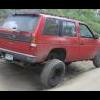
What exactly are the benefits of running a 33x9.5x15 versus a 33/12.50/15?

I kinda like the look of the skinny tire and am wondering if there is a benefit or cost to running one?


Tires in the 33+ size in a 9.5 or 10.5 width seem kinda hard to find. BFG, SuperSwapers, maybe a few others make them but thats it!


Matthew

Link to comment
Share on other sites

AFAIK, the difference lies in the application, mostly. If you're hitting snow and mud, the thinner one should work better because you'll be able to cut through to the hard packed stuff on the bottom. For sand and crawling, you'd want to run the wider tire so not to sink and to get a larger contact patch to grab rock edges when you air them down.

Link to comment
Share on other sites

Based on my Location and the type of off the paved road wheeling that I do... I went with the 33x9.50R15.... With just the 3"SL I have very little rubbing vs the typical 12.5" wide tire....

I have considered a 32x10.5, but I believe the 3"Body lift is cheaper...... and ya, they aint cheap....

Link to comment
Share on other sites

Wider tires tend to "float" better or ride on the surface. Good on loose sand and really deep snow or any other surface you do not want to sink down into.


Narrow tires tend to cut down deeper and dig in.


Other benes to wide: Higher load capacities, can generally run lower pressures, the typical off roader thinks they look "cooler".


Other benes to narrow: Weigh less (which leads to better ride, less suspension wear and tear, better fuel economy, better acceleration and braking performance). They also tend to cost less and provide less interference.

Link to comment
Share on other sites

I am leaning toward a 33x9.5x15 SuperSwamper. I have a set of cheap tires that i use for street use, so tire life should hopefully not be an issue. I just dont want to go too thin....

Link to comment
Share on other sites

In Oz they tend to use skinny tall tires like that for everything. Take a look at some of the long-trek Land Rovers and Land Cruisers, they run 33x9's all the time.


I had some 33x10.50's, I now have 33x13.50's...I think I'll just go with a 33x12.50 next. There's not that much difference but the wider the tire, the more it will rub, generally speaking.

Link to comment
Share on other sites

ok correct me if i am wrong but wont you get better gas milage with the 9.5 than the 12.5 because it will take less to get them going.


Yes, less rotating mass will give you better gas milage. I dont think it would help a ton but deffinatly better gass milage.

Link to comment
Share on other sites

Yeah, it'll be smaller and lighter. And as the lads said, your choice all depends on your terrain. Mine, for instance, are 285/75/16, which equals about 33x11.5. I like that size as it protects my 8" wide rims better than my old 10.5" wide tires, and isn't so wide that it's tough to drive on pavement. Actually, since upgrading from 32x10.5" tires to these, my gas mileage hasn't changed at all. If anything, with the size increase, it's improved.

Link to comment
Share on other sites

Other benes to narrow: Weigh less (which leads to better ride, less suspension wear and tear, better fuel economy, better acceleration and braking performance). They also tend to cost less and provide less interference.


not! smaller contact -> less friction _> longer braking distance.

Link to comment
Share on other sites

not! smaller contact -> less friction _> longer braking distance.


I was referring to the weight factor. More rotating mass is harder to slow, working the brakes harder. They will overheat and fade sooner.


Generally, the stopping distance is more related to the coefficient of friction of the rubber compound than the tire width. On performance tires, they can use more "sticky" rubber compounds on wider tires as there is more surface area to absorb the stress and dissipate the heat.

Link to comment
Share on other sites

I seriously doubt width effects braking much (2-3 inches) in normal street conditions. More contact patch=less lb/square inch=slides easier. Less contact patch=less surface to dissipate heat=melts faster. :shrug: I'm guessing it's a close trade. Off road, it will make a bit of difference depending on the terrain. All depends what the dedicated tires are most used in.

Other than sand or bog, I tend to stick with the military's mentality of a bit taller and somewhat thinner is better.


B

Link to comment
Share on other sites

Create an account or sign in to comment

You need to be a member in order to leave a comment

Create an account

Sign up for a new account in our community. It's easy!

Register a new account

Sign in

Already have an account? Sign in here.

Sign In Now
 Share

×
×
  • Create New...